Marketing by ML
Turning Everyday Water Bottles into Brand Touchpoints
Turning a Complex Marketing Proposition Into a Clear Visual Story
Marketing by ML needed a presentation that could explain an unconventional marketing proposition in a way that was easy to understand, visually engaging and persuasive for potential business partners and clients.
I designed the presentation as a structured visual narrative — combining editorial layouts, information design, data visualization, product imagery and storytelling to take the audience from the initial idea to the business proposition.
Role
Presentation Design · Visual Storytelling
Industry
Marketing · Advertising · FMCG
Deliverables
Marketing Deck · Campaign Visuals
Year
2023
A Presentation Designed to Sell an Idea
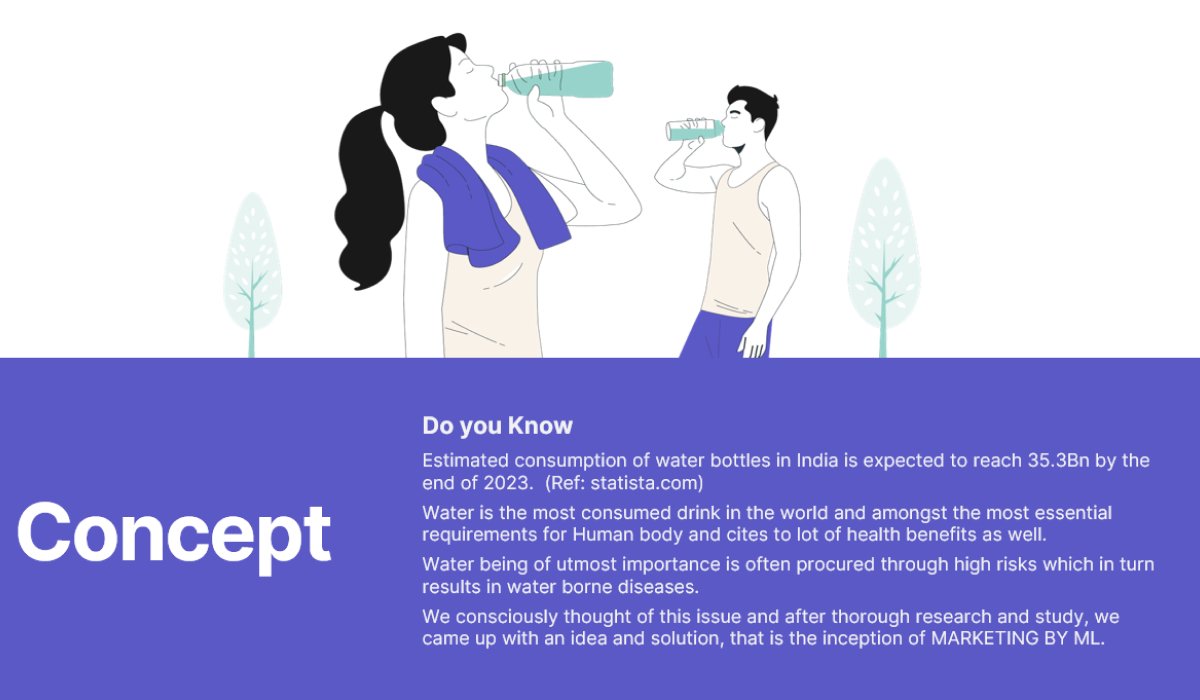
The challenge was to communicate a marketing model built around an everyday product — bottled water — while explaining its potential as a brand visibility and customer-acquisition medium.
The presentation needed to move beyond simply showing information. It needed to build a narrative, establish credibility and make the proposition easy for an audience to scan and understand.
The original deck moves through the introduction, approach, advantages, distribution, bottle-label branding, QR interaction, case study, metrics, future plans and value proposition.
A visual narrative built to take the audience from idea → opportunity → execution → measurable value.
How Do You Make a Complex Business Idea Easy to Understand?
The presentation contained multiple layers of information — from the core marketing proposition and distribution model to customer acquisition, QR interactions, market reach, campaign metrics and future expansion.
The design challenge was to create enough visual hierarchy for the audience to understand each idea quickly without making the presentation feel like a collection of disconnected information slides.
Three design goals
- Simplify
- Structure
- Persuade
Building the Story Before Designing the Slides
Rather than treating each slide as an individual design exercise, I structured the presentation into a sequence where every section had a specific communication purpose.
Introduction – Establish the opportunity.
Approach – Explain the marketing model.
Advantages – Show why the approach matters.
- Distribution – Explain how the proposition reaches audiences.
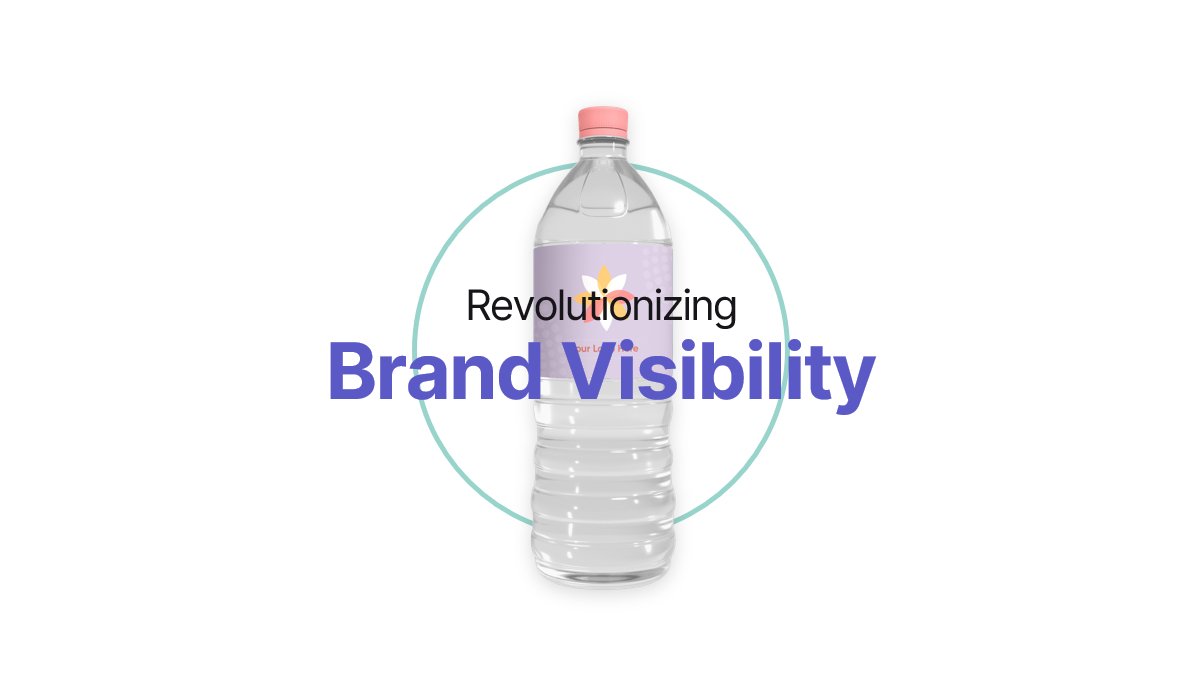
- Brand Visibility – Show how the bottle becomes a brand surface.
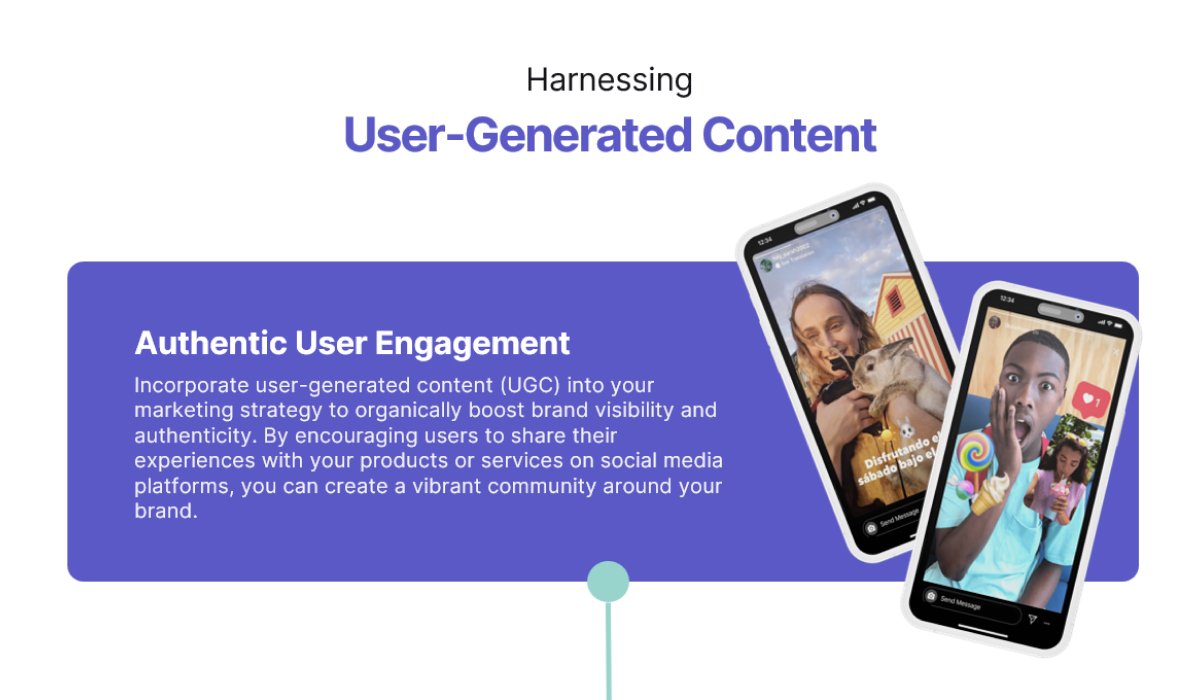
- Digital Interaction – Introduce QR codes and digital engagement.
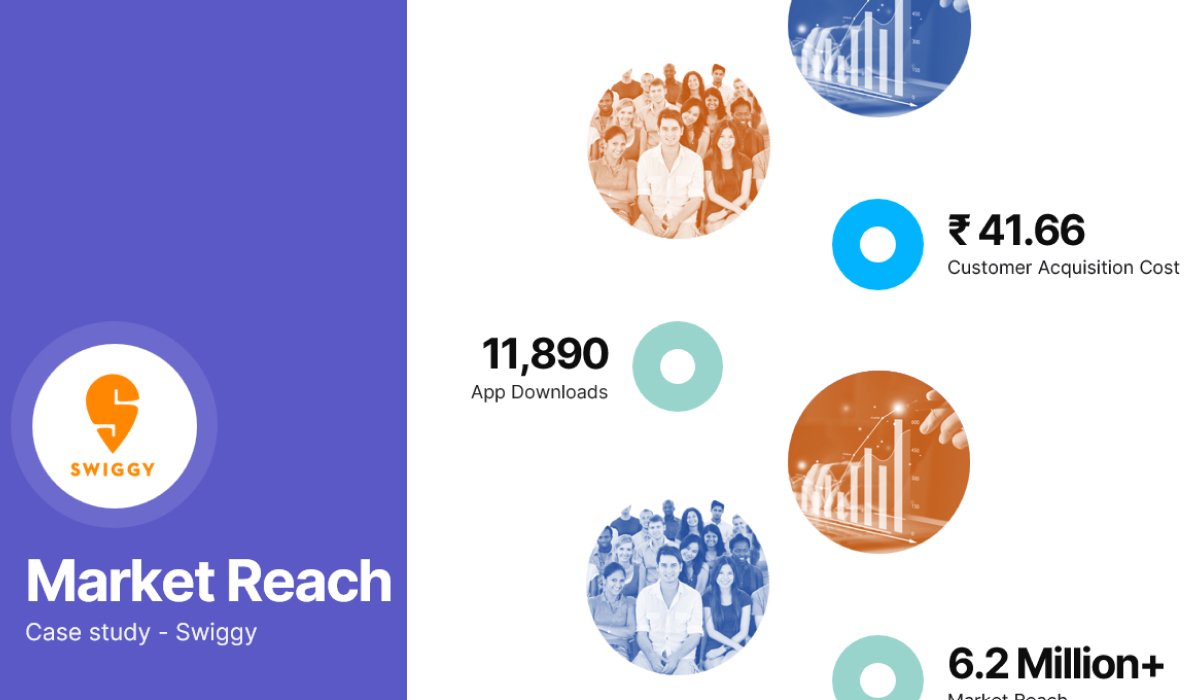
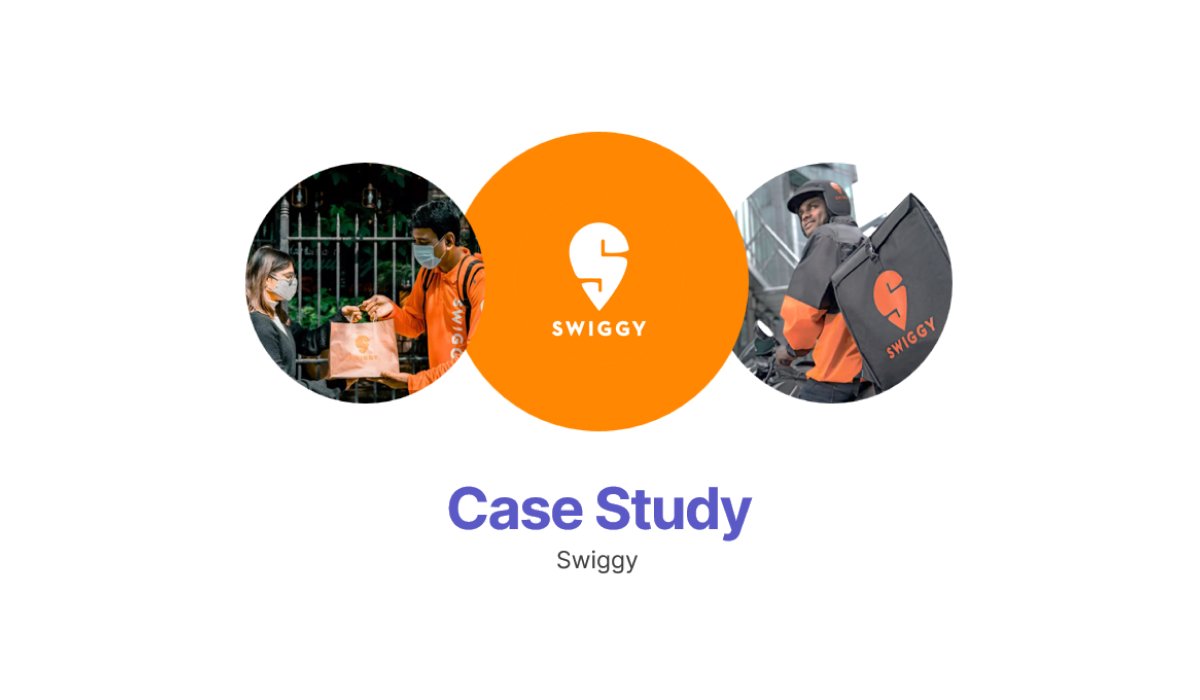
- Case Study – Demonstrate the concept through Swiggy.
- Metrics – Present measurable campaign figures.
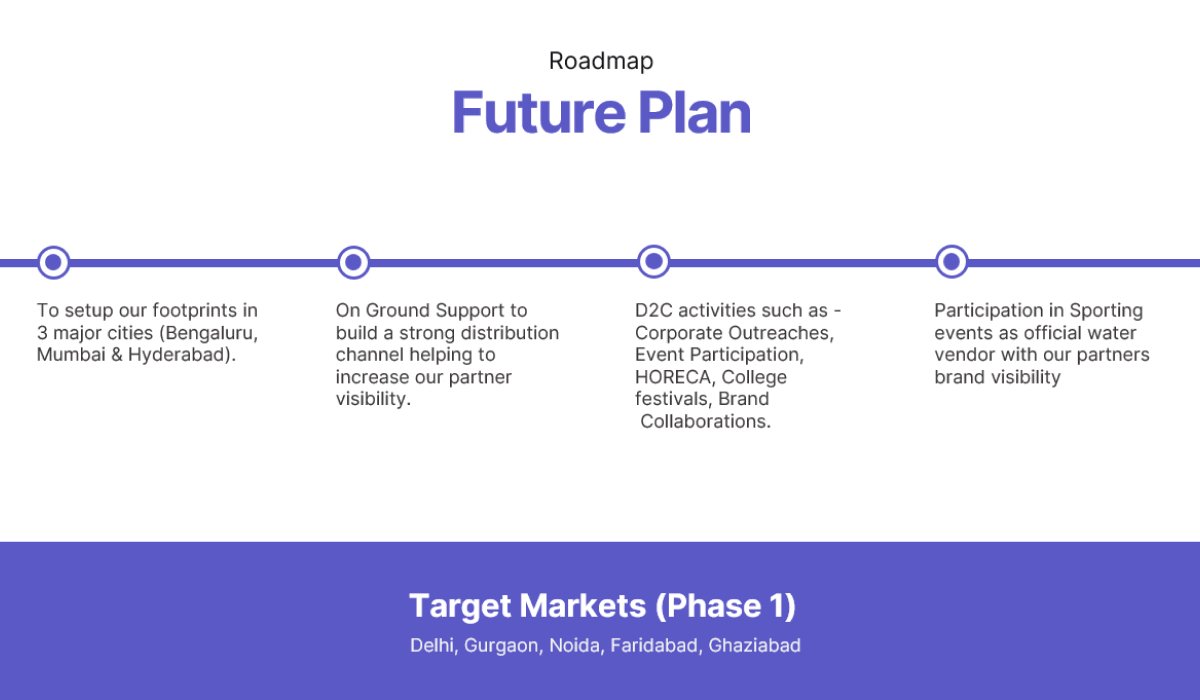
- Future Plan – Show how the model can expand.
- Value Proposition – End with the reasons for brands to adopt the model.
Designing a System, Not a Collection of Slides
With a presentation containing multiple content types, consistency becomes essential.
I created recurring visual patterns across the deck, including typography, spacing, graphic elements, colour accents, image treatment and numerical hierarchy.
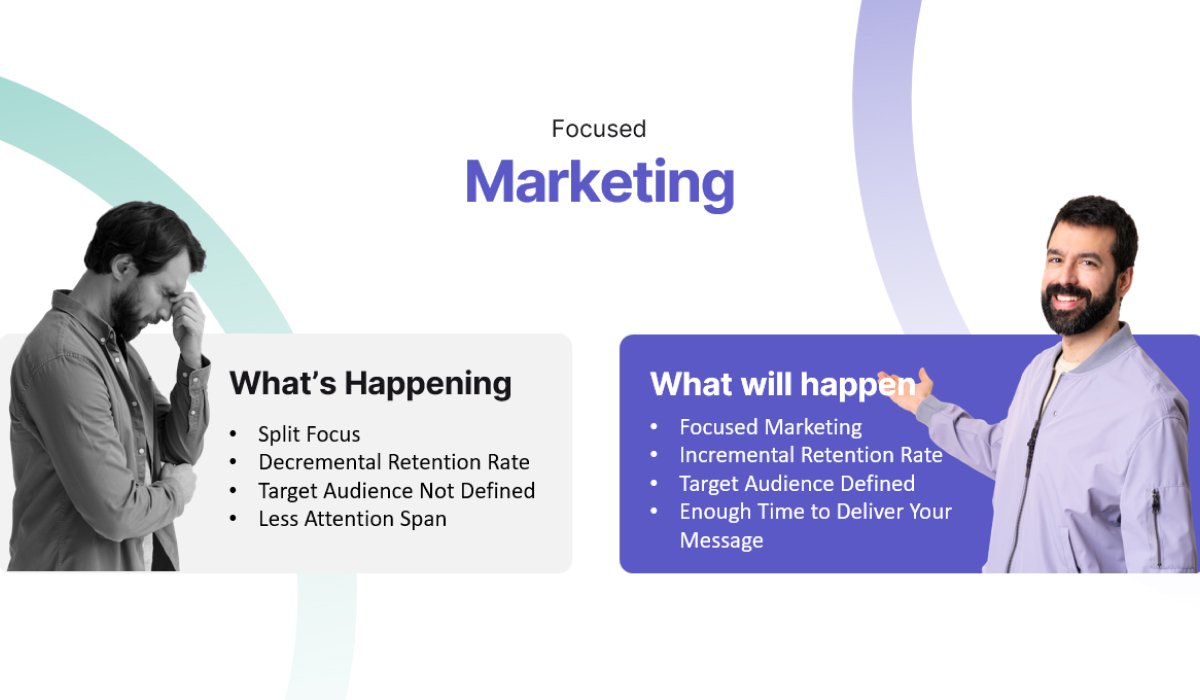
This allowed informational slides, case-study slides, comparison slides and business slides to feel connected while still giving each section its own visual character.
My Role as a Presentation Designer
I worked on translating the provided business proposition into a structured and visually engaging presentation.
My focus was on presentation design and visual communication. Creating a clear hierarchy, developing the visual language and transforming different types of information into cohesive slide compositions.
Skills
Presentation Design
Creating structured, professional business and marketing presentations.
Visual Storytelling
Building a narrative that guides the audience from one idea to the next.
Information Design
Organising complex information into easily scannable layouts.
Data Visualization
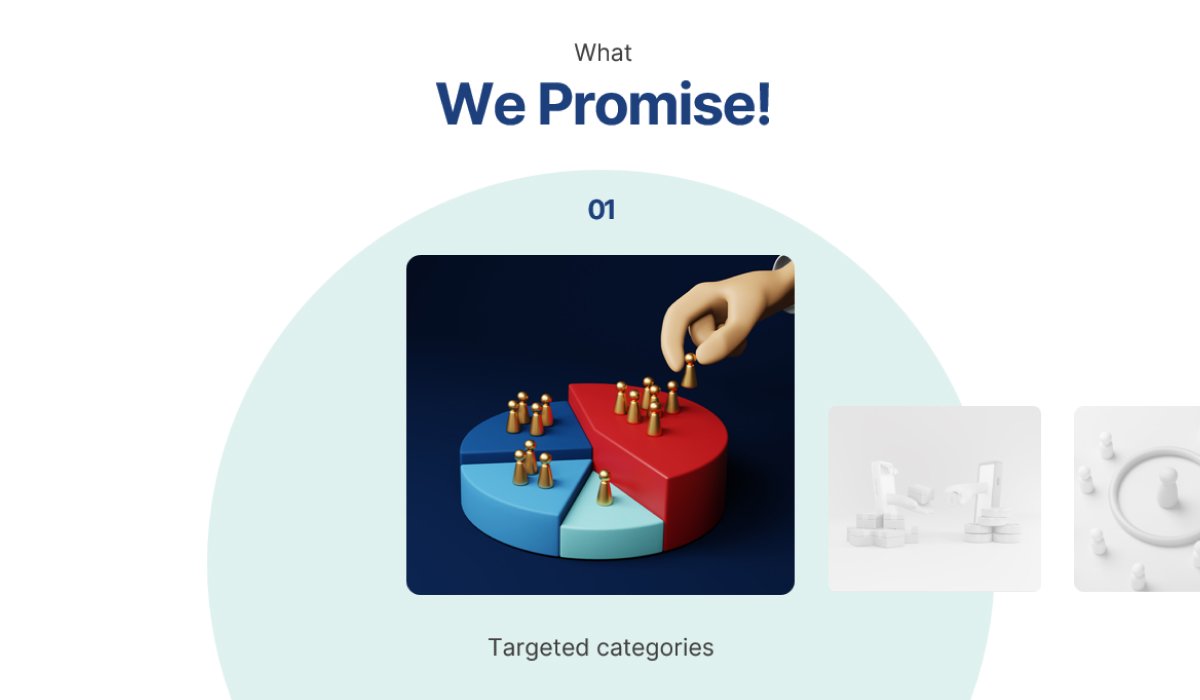
Giving important metrics and numbers visual emphasis.
Art Direction
Defining imagery, graphic treatment, composition and visual consistency.